Microsoft software for project management is now sold in three distinct forms: Microsoft Planner for plans and tasks in the browser and in Teams, the Project desktop app bought outright as Project Standard 2024 or Project Professional 2024, and Project Server Subscription Edition for organizations that run portfolio management on their own servers.
Two of the names a buyer is most likely to search for no longer describe something you can buy. Project for the web was retired in August 2025 and became Planner. Project Online, the cloud portfolio service, retires on 30 September 2026. The subscription plans were renamed in September 2024 as well, so the “Project Plan 3” quoted in most published comparisons is now called Planner and Project Plan 3.
This page sets out what each product does, what it costs, which ones are being withdrawn and on what date, and how to choose between them. Every product name and date below comes from Microsoft’s own lifecycle data and support documentation, linked at the claim it supports.
Every Microsoft project management product, and whether you can still buy it
Microsoft has reorganized this range twice since 2024, and three of its products sit inside a retirement window. The table is built from Microsoft’s published lifecycle data and its Planner and Project announcements, and it is the quickest way to see where each name stands.
| Product | Status | Key date published by Microsoft |
|---|---|---|
| Microsoft Planner (web and Teams) | Current. Brought Project for the web, To Do and Planner into one app. | Replaced Project for the web in August 2025 |
| Planner Plan 1 | Current premium subscription, formerly sold as Project Plan 1. | Listed as a current premium subscription in Microsoft’s Planner licensing guidance, updated May 2026 |
| Planner and Project Plan 3 | Current. Adds the Project desktop client. | Renamed from Project Plan 3 on 18 September 2024 |
| Planner and Project Plan 5 | Current. Adds portfolio and enterprise resource management. | Renamed from Project Plan 5 on 18 September 2024 |
| Project Online | Retiring. Off sale to new customers, and existing customers can no longer create new tenants. | Retires 30 September 2026. Off sale 1 October 2025. No new tenants from 1 April 2026 |
| Project Standard 2024 and Project Professional 2024 | Current one-time purchase desktop editions. | Released 1 October 2024. Retire 10 October 2029 |
| Project Standard 2021 and Project Professional 2021 | Superseded, though still the edition quoted by many comparison pages. | Retire 14 October 2026 |
| Project Server 2016 | Out of support. | Mainstream support ended 14 July 2021, extended support ended 15 July 2026 |
| Project Server 2019 | Out of support. | Mainstream support ended 10 January 2024, extended support ended 15 July 2026 |
| Project Server Subscription Edition | Current on-premises product, and the closest match to Project Online. | Runs as a service application on SharePoint Server Subscription Edition, Enterprise license only |
Lifecycle dates above are from the Microsoft Lifecycle catalog entries for Project 2021, Project 2024, Project Server 2016 and Project Server 2019. The renames and the Project for the web retirement are from the Microsoft Planner support FAQ, and the Project Online dates from the Planner blog retirement notice.
What is project management?
Project management is the key to ensuring that resources are efficiently utilized and effectively organized toward achieving ambitious goals. Teams can reach their objectives by implementing a clear action plan while maximizing efficiency.
It’s a strategic process that ensures projects are completed efficiently, within budget, and on schedule.
The purpose of project management
- The purpose is to ensure that all project features are effectively coordinated so that the result meets or exceeds expectations.
- Project managers can use a variety of tools and techniques to plan, organize, and control projects,
- The Gantt charts, work breakdown structures, risk registers, communication plans, and change control procedures can help the project manager to reach their goal.
What is Microsoft Project, and what does it do?
Microsoft Project is a project management software owned and developed by Microsoft. It enables project managers to plan, schedule and manage their projects in an organized manner. In addition, it helps them keep track of tasks, resources, and budgets associated with the project.
How does it help to manage projects more effectively?
- Microsoft Project provides scheduling features that cover planning, tracking and reporting in one place.
- It helps you define and track project tasks, assign resources, and monitor progress.
- You can also customize reports that give insights into the project’s performance.
Scheduling approaches Microsoft Project supports
- Agile methodology
- Waterfall methodology
- Project planning templates
Pricing
Microsoft sells these tools two ways: a per-user subscription, or a one-time purchase of the desktop app. A one-month free trial covers the subscription plans. The names below are the current ones, because Microsoft renamed Project Plan 3 and Project Plan 5 on 18 September 2024 and older comparisons still use the previous names.
Subscription plans
- Planner Plan 1, formerly Project Plan 1: $10 per user/month. Browser and Teams only, adding timeline, task dependencies, sprints and goals. No desktop app.
- Planner and Project Plan 3, formerly Project Plan 3: $30 per user/month. Adds the Project desktop client, baselines and resource requests.
- Planner and Project Plan 5, formerly Project Plan 5: $55 per user/month. Adds portfolio management and enterprise resource management.
- Planner Basic needs no separate purchase: it is included in Microsoft 365 E3 and E5, and those users can also join a premium plan as team members.
These are Microsoft’s published list prices for an annual commitment; check the current figure on Microsoft’s pricing page before you budget, since list prices move and vary by market.
One-time purchase and on-premises
- Project Standard 2024 and Project Professional 2024 are the current perpetual-license desktop editions, released on 1 October 2024 and supported until 10 October 2029. Professional adds resource management and can connect to Project Server. Microsoft publishes the list price per market rather than as one global figure, so take it from its store page for your region.
- The 2021 editions are superseded and retire on 14 October 2026. They are still quoted as current on many comparison pages, which is worth knowing before you buy a license against one of those figures.
- Project Server Subscription Edition is sold through volume licensing rather than at a list price, and it requires SharePoint Server Subscription Edition with an Enterprise license. It cannot be enabled on a Standard license.
What changed, and what it means if you already use Project
Three changes since 2024 affect anyone comparing these products today, and each one has a date attached.
Project for the web became Planner in August 2025
Microsoft’s Planner documentation states it plainly: “As of August 2025, we retired Project for the web and the Project and Roadmap apps in Microsoft Teams.” Existing plans carried over with no migration and no licensing change, and premium plans simply open in Planner instead.
Three capabilities did not survive the move, which matters if you relied on them. Roadmaps cannot be opened in Planner and have to be rebuilt as Portfolios, and a Portfolio cannot include rows from Azure DevOps or Project Online. Importing an .mpp file from Project desktop is not available in Planner itself, only through the Planner Power App, which is the renamed Project Power App. A Roadmap can no longer be pinned as a tab in Teams.
Project Online retires on 30 September 2026
Microsoft gives three dates. Project Online-only SKUs went off sale to new customers on 1 October 2025. Existing customers lose the ability to create new tenants from 1 April 2026. The service retires on 30 September 2026, after which the projects and data inside it cannot be reached at all. Microsoft is explicit that “this update is exclusive to Project Online and does not affect Project desktop, Project Server, or Planner,” so the desktop app and the on-premises server product are unaffected.
The part most comparisons leave out is that there is no automatic migration path out of Project Online. Microsoft offers three destinations rather than one successor, and moving data to any of them is a manual export. Project Server Subscription Edition is the only option that matches Project Online feature for feature, and it is self-hosted rather than a cloud service. Planner covers plan and task work with Gantt views, baselines and dependencies, but it is not a replacement if you depend on Project Web App, timesheets, custom workflows or enterprise portfolio reporting. Dynamics 365 Project Operations suits organizations that need timesheets and resource scheduling tied to project financials.
Both earlier Project Server releases are now out of support
Project Server 2016 and Project Server 2019 both reached the end of extended support on 15 July 2026, so neither receives security updates. Project Server Subscription Edition is the upgrade route, and Microsoft supports a database-attach upgrade only from Project Server 2016 or 2019: an older farm has to be brought up to one of those versions first.
One discrepancy is worth flagging, because it trips people up. Microsoft’s Project Online retirement notice describes these two releases as coming “to extended support on July 14, 2026”, but the Microsoft Lifecycle catalog records 15 July 2026 as the end of extended support for both, with mainstream support having ended years earlier. The lifecycle catalog is the authoritative record for support dates, and it is the one we have followed.
Which Microsoft option fits your situation
Four questions separate the options, in the order that actually decides it.
- Do you need a critical-path schedule, or a task board? If the work is tasks with owners and dates, Planner Basic inside Microsoft 365 E3 or E5 is already paid for. If you need critical path, resource leveling and a real baseline, you need the Project desktop app, which means Planner and Project Plan 3 or a one-time 2024 license.
- Do you need the desktop app standalone, or connected? Project Standard 2024 is a standalone scheduler with no shared server. Project Professional 2024 adds resource management and can connect to Project Server. Neither gains new features the way a subscription does.
- Are you managing a portfolio, or a project? Portfolio selection, enterprise resource management and cross-project reporting sit in Planner and Project Plan 5, or in Project Server Subscription Edition on your own infrastructure.
- Are you on Project Online today? Then the decision has a deadline of 30 September 2026, and the answer turns on how much of Project Web App you actually use. Heavy PWA, timesheet and custom-workflow use points to Project Server Subscription Edition. Plan and task work with Gantt views points to Planner premium. Project delivery tied to billing points to Dynamics 365 Project Operations.
Features of Microsoft Project
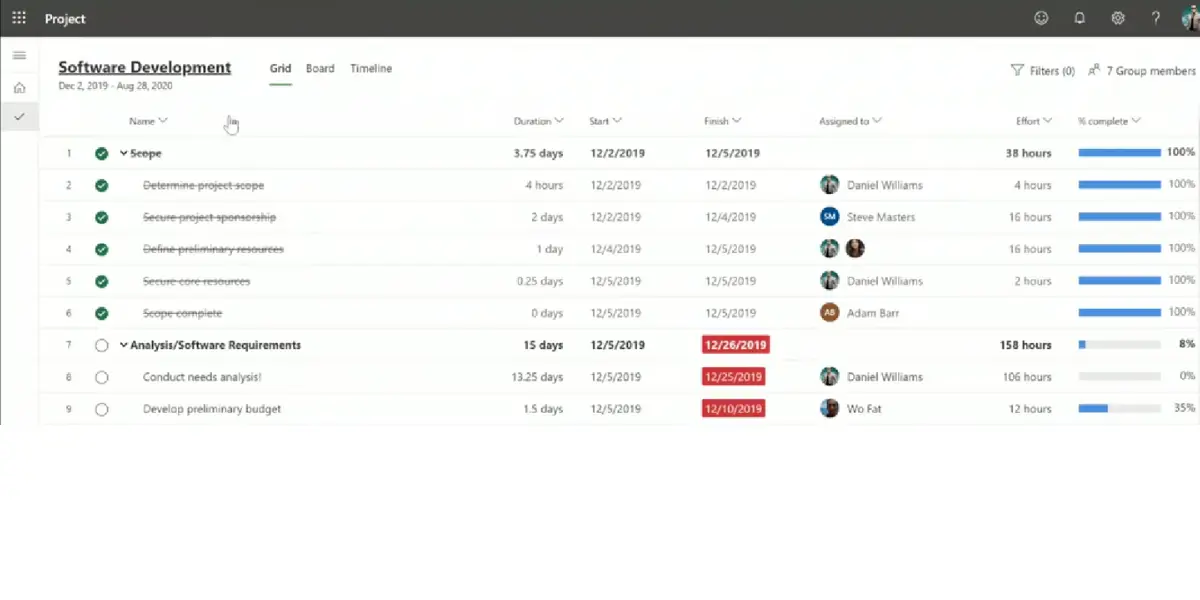
The feature set below is what the Project desktop app adds over a task board such as Planner Basic: a schedule with dependencies and a critical path, resource assignment, and reporting across several projects at once.
- Easy planning of; work schedule, project duration, the effort needed for the project, and allocation of work to team members.
- It offers Power BI’s interactive dashboard to get a comprehensive overview of the status of your projects and programs, then dives deep into the details.
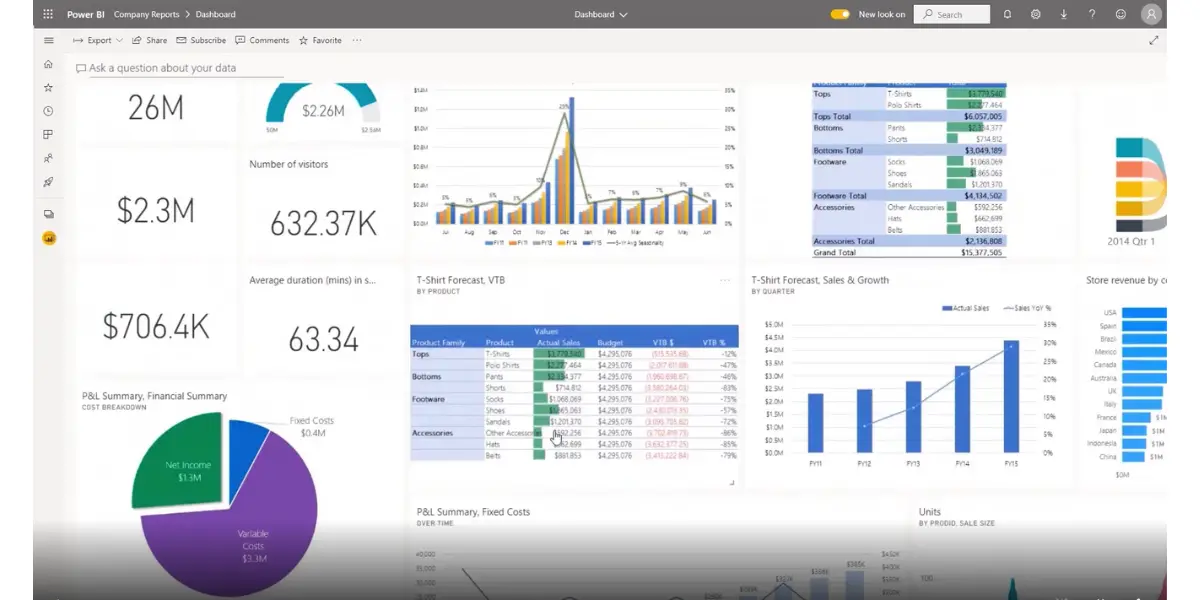
- With a vast range of Microsoft software available for project management, building the desktop or mobile experiences you want has never been easier.
- It provides a Gantt chart and many more templates that allow you to plan project tasks and track their progress.
- Microsoft’s software makes it easy to do both, whether you’re micro-managing every aspect of your project or need to get quickly up and running.
- The cloud plans run on Azure, so tenant data residency and the Microsoft 365 compliance commitments apply to plan data as well.
Tips for using Microsoft Project more effectively
Microsoft Project is an efficient tool to help you manage your projects more effectively. To get more utilization, you should use some of the following tips:
- Define clear objectives for your project and make sure everyone understands them.
- Break down complex tasks into smaller manageable ones to make tracking progress easier.
- Monitor the project regularly and make necessary adjustments as needed.
- Utilize the reports feature to gain insights into the project’s performance.
- Use templates and other tools to streamline activities such as resource allocation.
The common thread is that Microsoft Project rewards a plan that is kept current. A schedule that is not updated as work completes stops being a forecast and becomes a record.
Microsoft Project business solutions
Below are some project management solutions that can help to simplify your work and ensure successful project completion.
Simple project management
Simple project management is a plan provided by Microsoft for powerful and simple project completion. It offers the below features.
Simple
Simple plans are designed to be started without training or setup: you add tasks, owners and dates, and the plan is usable immediately. This is the tier that Planner Basic covers for anyone already licensed for Microsoft 365 E3 or E5.
Flexible
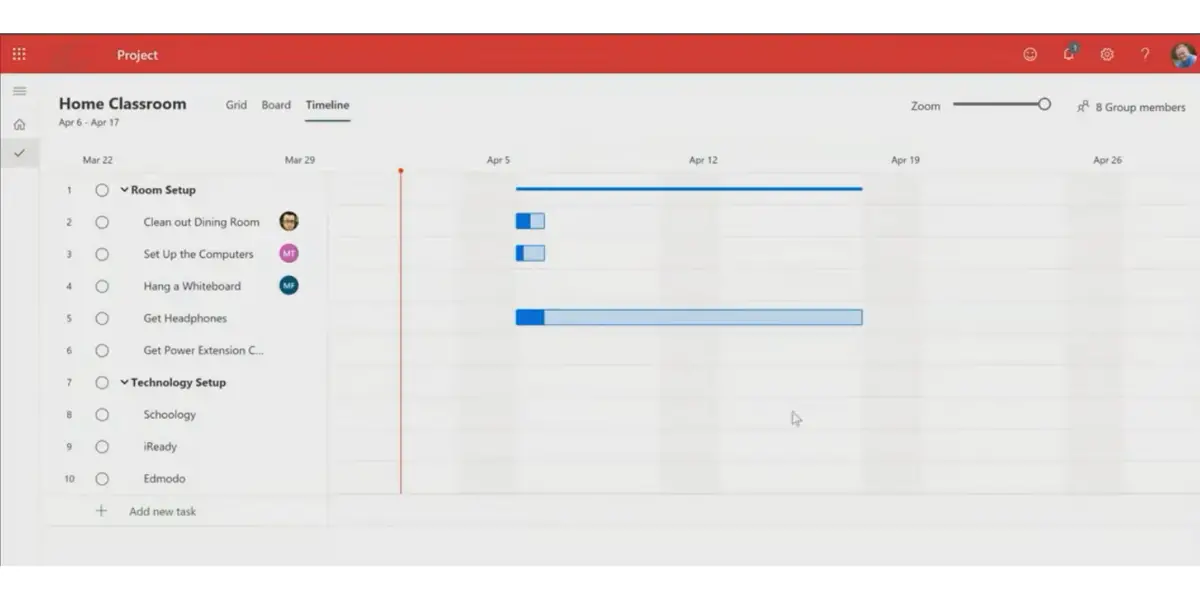
Microsoft Project will help you get your projects done on time. You can choose from different types of displays, like a list or a timeline.
Collaborative
It encourages employees and empowers them for better workflow. This helps to create a good work atmosphere and stay in control for the successful completion of the project.
Stay on track
You can use an app to help you stay on track. For example, you can use it to give tasks to other people, add scheduling when needed, and keep track of when things are due.
Professional project management
This is another plan offered by Microsoft to meet your business demands powerfully. Find below features for your reference.
Work flexibility
Every project has its own unique needs and demands, so it’s essential to choose the best tool that you feel will best suit your preferences and those of your team. With Microsoft Planner, you can evaluate which set of tools and approaches works best for you and helps ensure that your projects run smoothly.
Get visibility
Microsoft project management software can help create a unified, centralized view of all organizational programs and projects. These Microsoft tools allow for easy visual and interactive roadmaps that comprehensively overview the organization’s goals, objectives, and successes.
Plan project
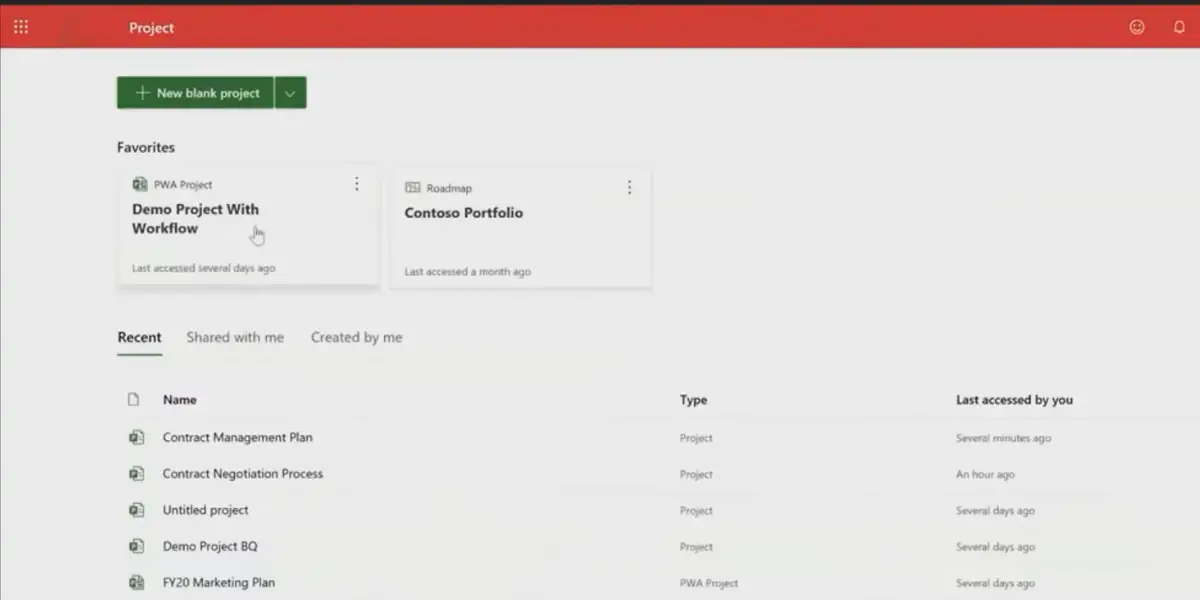
Timeline view (Gantt chart) is a must-have tool for project managers. Its familiar format allows for easier planning and reduces the need for extensive training.
Share insights
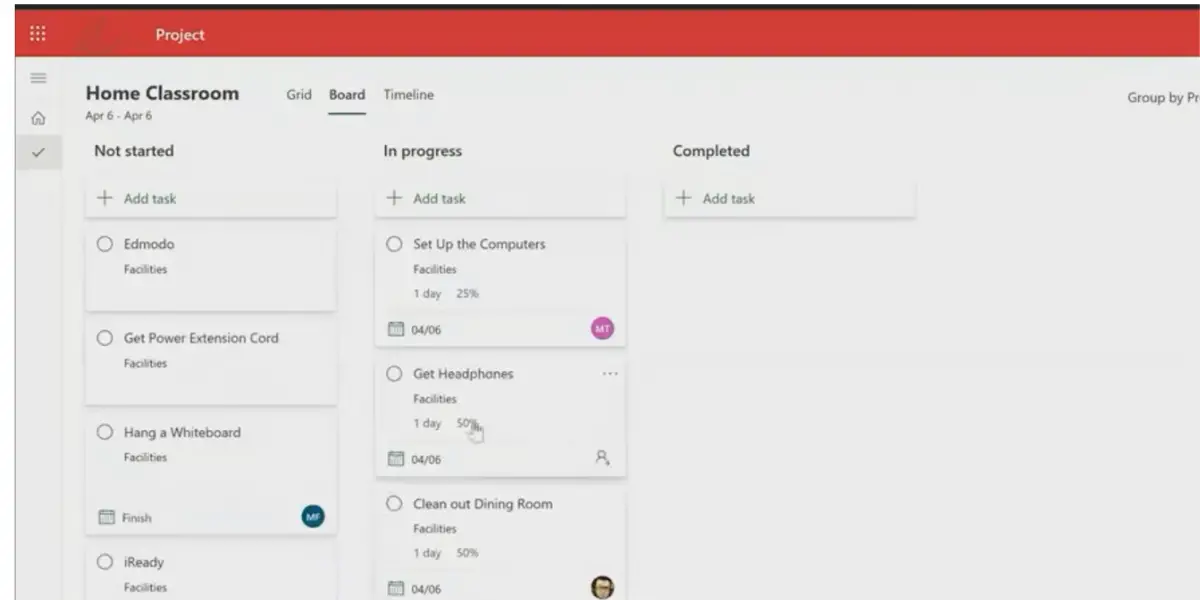
Microsoft Power BI is a powerful software for project management that easily makes it easy to create, share, and visualize your project from start to finish. This modern solution allows you to transform raw data into rich interactive dashboards highlighting key insights in an easy-to-understand format.
Quick start
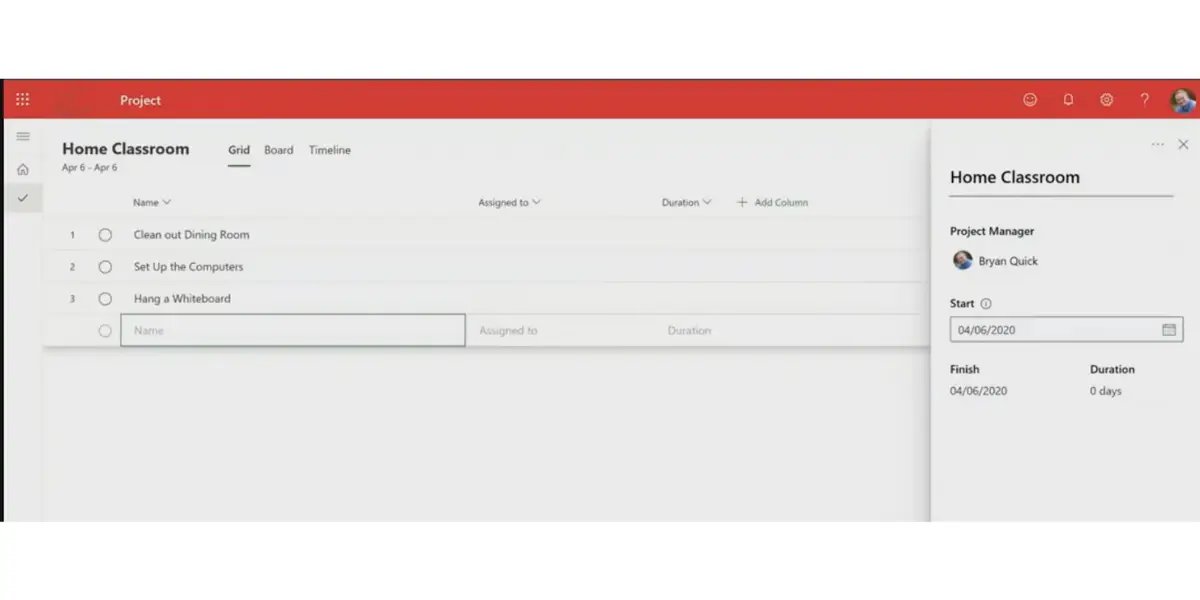
Microsoft software for project management facilitates efficient project completion by providing a range of easy-to-use, customizable templates. This allows an increased focus on actual process implementation so that projects can be done quickly and effectively without unnecessary delays.
Which of these tiers you need follows from the questions set out earlier: the template and quick-start features matter most to teams without a dedicated project manager, and the portfolio features only earn their cost once several projects compete for the same people.
Project portfolio management
Portfolio management is the tier that decides which projects to run at all, rather than how to run one. It is the capability that sits in Planner and Project Plan 5 and in Project Server Subscription Edition, and it is the main reason organizations stay on the enterprise tiers.
Utilize PPM capabilities to enhance planning, prioritization, and resourceful administration for every project you’re involved in. Find the below features of PPM.
Portfolio optimization
You can easily plan different ways to do something and compare them. This will help you decide the best way to do it. When considering a project, consider how it fits, how your business is trying to achieve it, and if it is affordable.
Visibility across programs and projects: Put your organization’s portfolios, programs, and projects together in one place so everyone can see them.
Transformable insights
To keep everyone informed, share reports with everyone. Native OData lets you quickly put together data for more in-depth reporting.
Evaluation
With a comprehensive system for capturing, evaluating, and feeding project ideas from any business corner, you can ensure that every great idea is given its chance in front of management.
Project resource management
Resource management in Microsoft Project covers three jobs: monitoring who is committed to what, finding where demand exceeds capacity, and estimating future needs so the projects you commit to can actually be staffed. The features below support each of those.
Systematic resource request
Ensure your projects stay on track with Resource Engagements, an easy way to request and secure the necessary resources.
Resource usage views
These views show how heavily each resource is committed across projects, which is how you find the people who are over-allocated and the capacity that is sitting idle.
Robust resource analysis
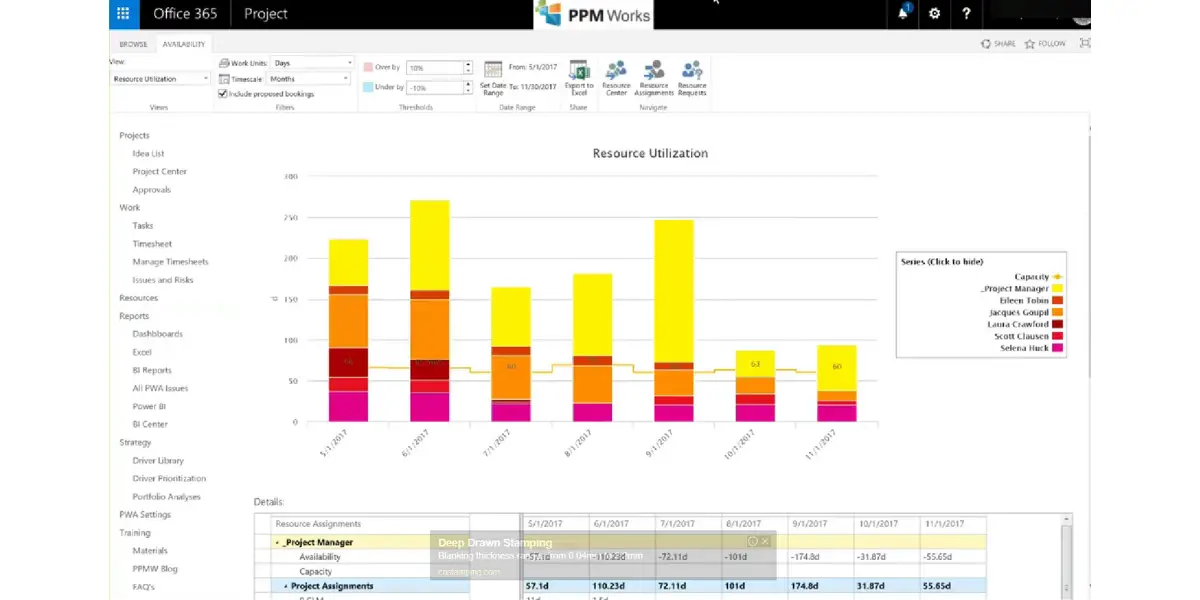
Utilizing key resources, comparison, and tracking data can be used to make informed decisions about current usage and predict future needs. In addition, advanced reports allow you to keep an eye on the progress process of plans while addressing any arising issues on time.
Conclusion
Microsoft Project is one of the powerful project management tools that can help you manage your projects more effectively.
It has features such as task tracking, resource allocation, and budgeting, making managing complex projects easier.
For most teams the practical answer is narrower than the product list suggests. If you already pay for Microsoft 365 E3 or E5 then Planner Basic covers task work at no extra cost, and the only reason to pay more is a real need for critical-path scheduling or portfolio management. The one decision that cannot wait is Project Online, which stops working on 30 September 2026.
How we checked this
Every product name and date on this page was taken from Microsoft’s own sources and verified on 13 September 2026: the Microsoft Lifecycle catalog entries for Project 2021, Project 2024, Project Server 2016 and Project Server 2019; the Microsoft Planner support FAQ for the August 2025 Project for the web retirement and the 18 September 2024 plan renames; the Planner blog for the Project Online retirement dates; and Microsoft Learn for Planner licensing and the Project Server Subscription Edition upgrade requirements. Where Microsoft’s own announcement and its lifecycle catalog disagree on the Project Server dates we have followed the catalog and said so above. We have not quoted a one-time purchase price, because Microsoft publishes that figure per market rather than globally.
FAQs
Is Microsoft Project being discontinued?
No. The Project desktop app continues, sold as Project Standard 2024 and Project Professional 2024 and included with Planner and Project Plan 3 and Plan 5. What is being withdrawn is Project Online, the cloud portfolio service, which retires on 30 September 2026, and Project for the web, which was retired in August 2025 and became Microsoft Planner.
What replaced Project for the web?
Microsoft Planner. Microsoft retired Project for the web, along with the Project and Roadmap apps in Microsoft Teams, in August 2025 and redirected users to Planner for the web and Planner in Teams. No migration or licensing change was required, and premium plans created in Project for the web open in Planner. Roadmaps did not carry over and have to be rebuilt as Planner Portfolios.
What is the difference between Planner Plan 1 and Planner and Project Plan 3?
Planner Plan 1 at $10 per user per month is browser and Teams only, adding timeline, dependencies, sprints and goals to the basic Planner experience. Planner and Project Plan 3 at $30 per user per month adds the Project desktop client, baselines and resource requests. The desktop client is the dividing line, because critical-path scheduling and resource leveling need it.
What happens to my Project Online data after September 2026?
Once Project Online retires on 30 September 2026 the projects and data inside the service can no longer be reached, so anything you need has to be exported before that date. There is no automatic migration. Microsoft offers three destinations: Project Server Subscription Edition, which matches Project Online feature for feature but runs on your own servers; Planner premium for plan and task work; and Dynamics 365 Project Operations where project delivery is tied to financials.
Is Microsoft Project included in Microsoft 365?
Not the Project app. Microsoft 365 E3 and E5 include Planner Basic, which covers task and plan management, and let those users join a premium plan as team members. They do not include the Project desktop app or the premium Planner features, which require Planner Plan 1, Planner and Project Plan 3 or Planner and Project Plan 5.
Can I still buy Project Server?
Project Server 2016 and Project Server 2019 both reached the end of extended support on 15 July 2026 and receive no further security updates. The current on-premises product is Project Server Subscription Edition, which runs as a service application inside SharePoint Server Subscription Edition and needs an Enterprise license rather than Standard. Microsoft supports a database-attach upgrade to it only from Project Server 2016 or 2019.
Using Google Search? Add erp-information.com as a preferred source.